Why starting early can boost confidence, coordination, and happiness
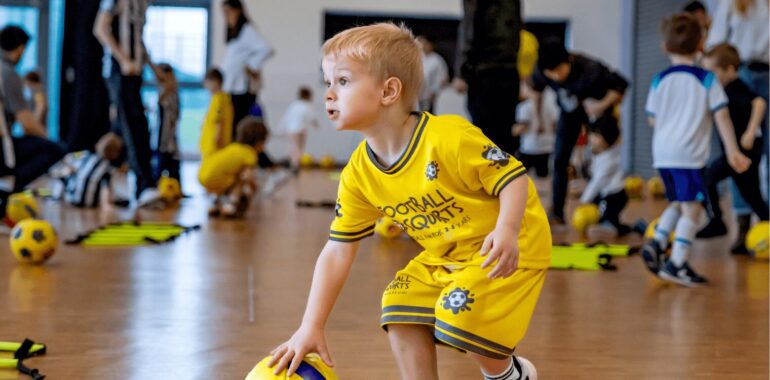
If you’re a parent looking for a fun, confidence-building activity for your little one, football is one of the best sports you can choose — especially between the ages of 2 and 6. At Football Squirts, we’ve seen thousands of Newcastle & North Tyneside children grow through the game, not just as little footballers, but as happy, active, confident young people.
Here’s why football is such an incredible sport for young kids — and why starting early can make a huge difference.
1. Football builds strong motor skills
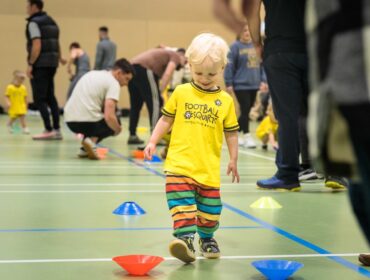
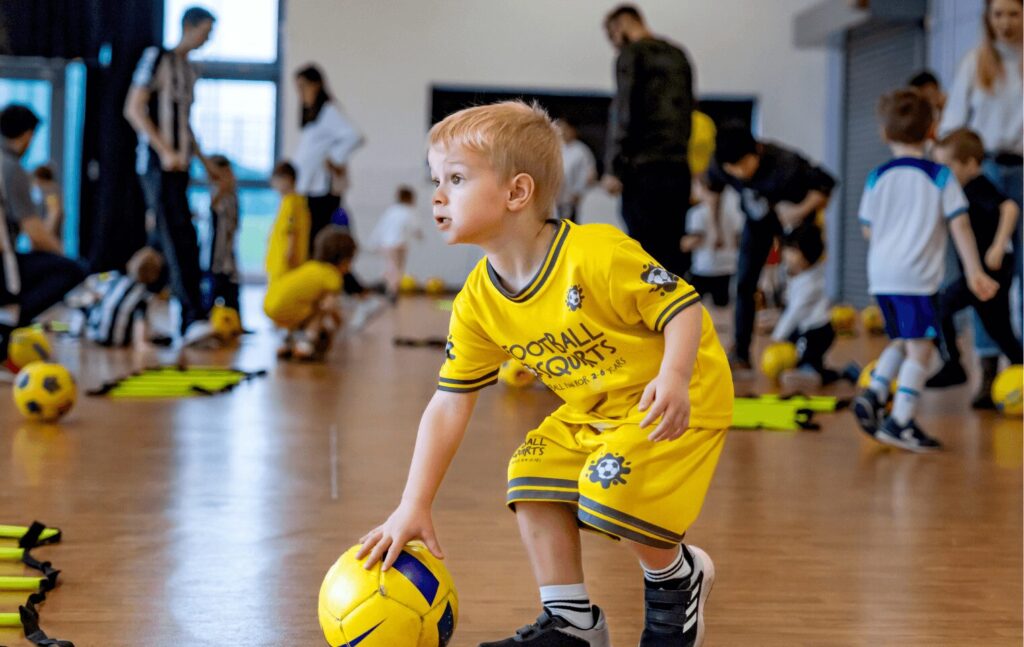
Between ages 2 and 6, children develop the foundations for movement — balance, coordination, agility, and body control. Football naturally encourages these skills through:
- Running
- Jumping
- Changing direction
- Kicking
- Stopping and starting
- Reacting to colours, sounds, and instructions
Every session gives children a chance to move in new ways, helping them become more coordinated and physically confident.
What the research says
- A study published in the Journal of Sports Science & Medicine found that ball-based activities (like football) significantly improved coordination, balance, and agility in children aged 3–6 — more than non-ball activities.
- The Early Years Foundation Stage (EYFS) framework highlights that children in this age group develop faster physically when they participate in structured play involving movement patterns, such as jumping, dodging and kicking — all of which are core parts of football.
- The UK’s National Child Development Study shows that children who engage in regular physical activity before age 6 develop better motor skills and tend to stay more active later in life.
2. It boosts confidence and independence
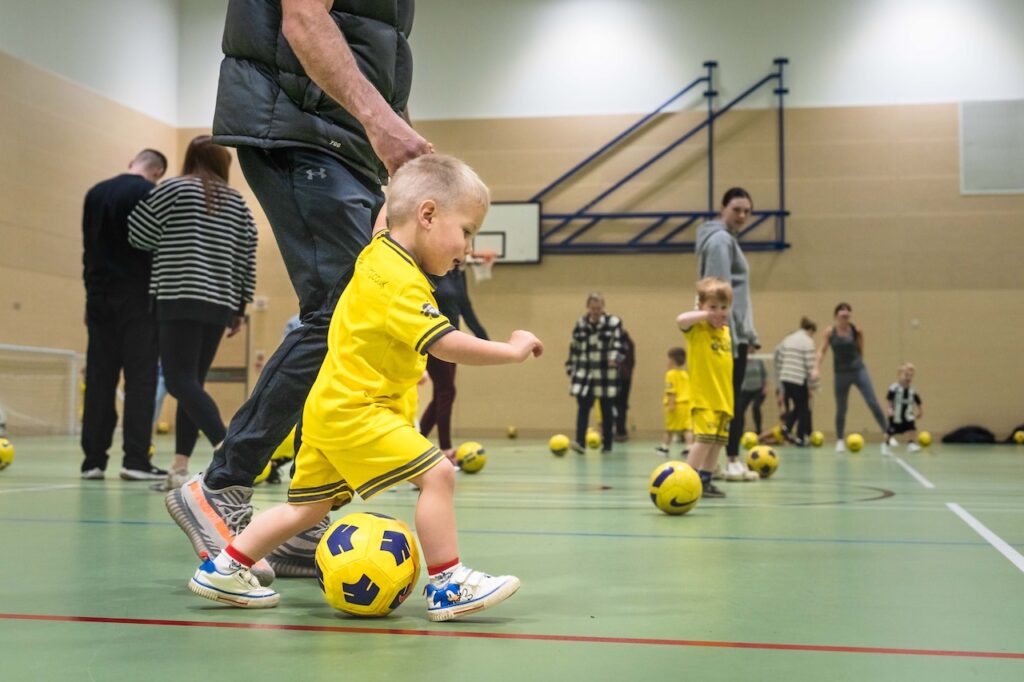
There’s nothing more heart-warming than seeing a child score their first little goal or successfully dribble around a cone. In our classes, we celebrate every small win — and kids feel that encouragement.
This builds:
- Self-belief
- Independence
- A willingness to try new things
- A positive attitude toward challenges
Confidence gained during football often shows up at school, at home, and in other activities.
3. Football helps social skills flourish
Football isn’t just great for physical development — it’s one of the best environments for young children to build essential social skills. Between ages 2 and 6, children learn how to communicate, cooperate, and understand other people’s feelings. Football provides a natural, playful setting where these skills develop without pressure.
What the research shows
- A study in the Early Childhood Education Journal found that children who participate in group sports show stronger social development, especially in communication, sharing, and turn-taking.
- Research from the Institute of Human Development indicates that structured group play, like football sessions, increases empathy and improves cooperation between young children.
- A large review published in Child Development confirms that regular participation in team-based activities helps boost self-regulation, patience, and positive peer interactions — all critical during the preschool years.
Why football supports social skills so well
Football naturally encourages the behaviours parents want their children to develop:
- Sharing equipment and space
- Turn-taking, especially in shooting and passing games
- Listening to simple instructions
- Working together in fun challenges
- Encouraging others (often even the shy children join in!)
- Understanding simple rules
- Celebrating each other’s successes
These interactions help children practise communication, build friendships, and develop emotional awareness — often without even realising it.
In short:
Football provides a safe, positive, and structured way for young children to learn how to be part of a group.
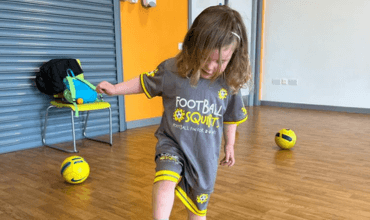
4. A great way to burn energy in a fun, positive way
Young children need movement — lots of it. Football gives kids a healthy, constructive way to burn energy, develop fitness, and release stress. After sessions, parents often tell us their child eats better, sleeps better, and is calmer throughout the day.
5. Football teaches listening & focus
With simple instructions like:
- “Stop!”
- “Go!”
- “Find the red cone!”
- “Dribble to the goal!”
Children build early listening and concentration skills without realising it. These abilities are essential at nursery and primary school — and football helps develop them in a fun, natural way.
6. It promotes emotional resilience
Football teaches children that:
- Sometimes things go right…
- Sometimes they don’t…
- But trying again is fun
Handling small challenges like missing a goal, tripping over the ball, or waiting for a turn helps kids manage emotions and develop resilience — one of the most valuable life skills of all.
7. Encourages healthy habits for life
COne of the most powerful benefits of football — especially when introduced between ages 2 and 6 — is how it helps shape long-term healthy habits. Early childhood is a key window where children form positive associations with physical activity, movement, and being part of a group.
What the research says
- A long-term study published in The Lancet found that children who are active in their early years are far more likely to stay active into adolescence and adulthood.
- Research from the UK’s Early Years Physical Activity Guidelines shows that children who develop movement confidence early are more likely to see physical activity as fun rather than challenging, leading to lifelong participation in sport.
- The British Journal of Sports Medicine highlights that children who engage in regular physical activity before age 6 show better mental wellbeing, stronger physical health, and reduced risk of obesity later in life.
- A major review by Public Health England concluded that early sport participation helps create long-lasting routines around activity, health, and positive behaviour.
Why football is especially powerful for building habits
Football is uniquely effective at creating lifelong healthy habits because it is:
- Fun — children don’t see it as “exercise”, just play
- Social — friends keep them engaged and excited
- Varied — no two sessions feel the same
- Accessible — it doesn’t require expensive equipment
- Rewarding — children can quickly feel improvement and success
When children enjoy an activity early, they naturally want to repeat it. This builds:
- A positive relationship with exercise
- A routine of staying active
- Interest in sport as they grow
- Confidence to try other physical activities
- Healthy emotional habits around movement and achievement
In simple terms:
Football helps children fall in love with being active — and that’s one of the best gifts you can give them for the future.
8. It’s suitable for every child — no experience needed
Football is one of the most inclusive sports in the world. It doesn’t matter if your child:
- Has never kicked a ball
- Is shy or outgoing
- Prefers gentle play or fast activity
- Is tall, small, fast, quiet — ALL are welcome
Our Football Squirts sessions are designed so every child can take part, succeed, and feel proud.
9. Football helps strengthen parent-child bonding
Parents love being part of the journey, watching progress, celebrating goals, and seeing their child grow. Many mums and dads tell us that football has become the highlight of their week because of the joy it brings their little one.
Why Choose Football Squirts?
If you’re looking for toddler and kids’ football classes in Newcastle or North Tyneside, Football Squirts offers:
- Sessions designed specifically for ages 2–6
- Fun-based learning — no pressure, no shouting
- Qualified, friendly coaches
- Safe indoor venues across Newcastle, North Tyneside & Blyth
- Small, structured classes that build confidence
- A welcoming environment where every child shines
We focus on fun first, football second, so every child leaves smiling and excited for next time.
Ready to Let Your Child Try Football?
Whether your child is new to football or already loves a ball at their feet, we’d love to welcome you to a session.
👉 View our timetable
👉 Book a class near you
Football might just become their favourite part of the week, and a place where they grow, laugh, learn, and make friends.